대주제1의 제목
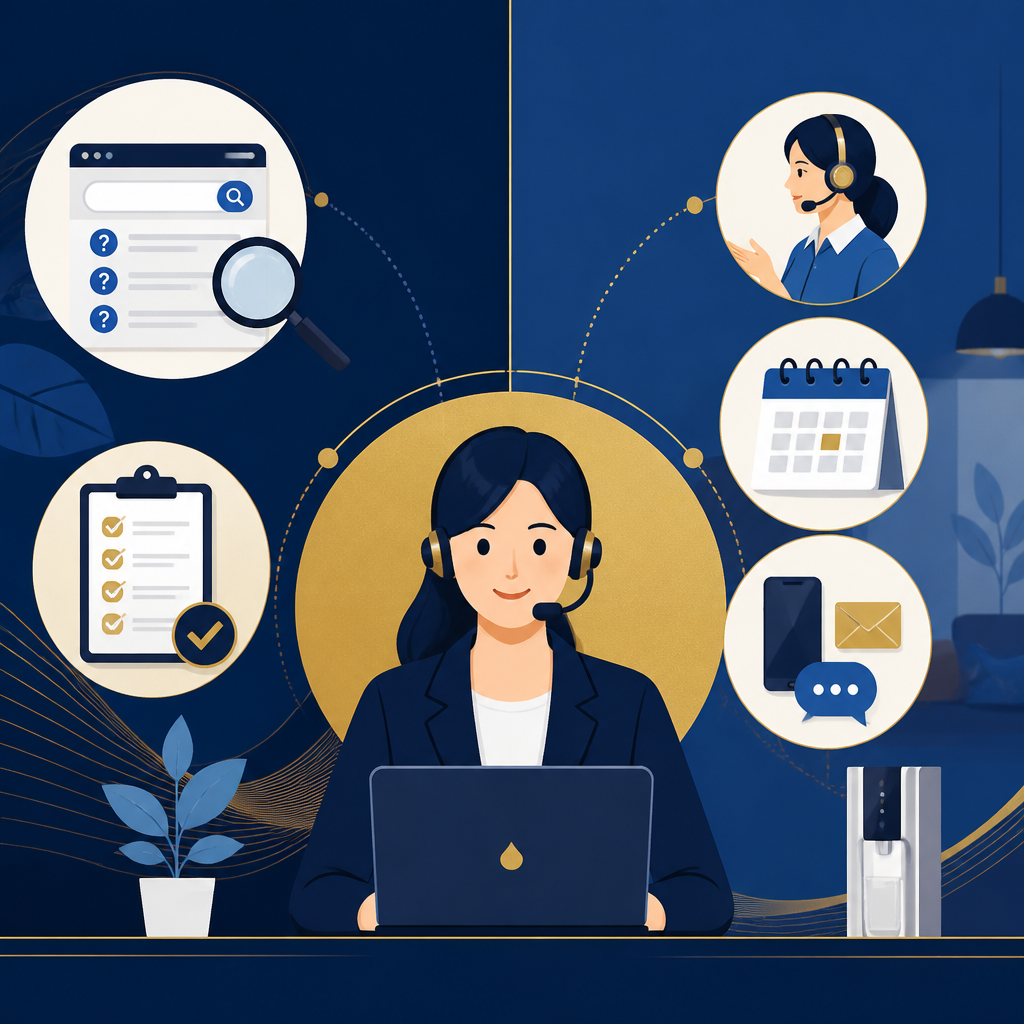
This article delves into practical strategies for maximizing the utility of the Woongjin Coway customer service center. By understanding and leveraging key resources such as the Frequently Asked Questions (FAQ) section, employing efficient appointment scheduling techniques, and mastering effective communication methods, customers can significantly enhance their service experience, leading to quicker resolutions and increased overall satisfaction. The aim is to empower users with actionable insights that transform customer service interactions from potentially frustrating encounters into streamlined, positive engagements. This approach is crucial for any organization prioritizing customer retention and brand loyalty in todays competitive market, as a well-managed customer service center acts as a direct conduit to understanding and addressing consumer needs.
The subsequent section will explore the specific benefits of utilizing the FAQ section as a primary point of contact and how its comprehensive nature can preempt many common inquiries, thereby reducing wait times and freeing up valuable agent resources.
대주제1의 내용 개요
Navigating the Woongjin Coway Customer Service Center: A Guide to Efficient Communication
The initial step towards a seamless customer service experience with Woongjin Coway begins with understanding the fundamental aspects of their support system. This includes familiarizing oneself with the core functions, readily available contact information, and operating hours. By clearly outlining these basic details, customers can approach their inquiries with a sense of preparedness, demystifying the process from the outset.
Woongjin Coway offers multiple avenues for customers to seek assistance, catering to diverse preferences and needs. The primary channels include telephone support and online platforms. The telephone service provides direct, real-time interaction with customer service representatives, ideal for urgent issues or complex queries requiring immediate clarification. This direct line allows for a back-and-forth dialogue, enabling agents to fully grasp the customers situation and offer tailored solutions. On the other hand, the online channels, such as the companys official website or dedicated mobile application, offer a convenient and asynchronous approach. These platforms often house a comprehensive Frequently Asked Questions (FAQ) section, a powerful tool for self-service. By browsing through pre-answered queries, customers can often find immediate solutions to common problems without needing to engage with a representative. Furthermore, online platforms may facilitate the submission of detailed inquiries or requests, allowing customers to articulate their concerns thoroughly and attach relevant documentation, which can expedite the resolution process once a representative reviews the information.
The choice between these channels often hinges on the nature and urgency of the customers issue. For instance, a simple product maintenance query might be efficiently resolved by consulting the FAQ section online. In contrast, a more intricate technical problem or a billing dispute might necessitate a direct phone call to speak with a specialist. Understanding the strengths of each communication method empowers customers to select the most appropriate channel, thereby maximizing efficiency and minimizing potential frustration. This foundational knowledge serves as the bedrock for a positive and productive interaction with Woongjin Coways customer service.
Moving forward, we will delve into specific strategies for leveraging the FAQ section effectively and optimizing the process of scheduling appointments for service or consultation.
대주제2의 제목
As a seasoned professional navigating the intricate world of customer service, Ive observed firsthand how crucial efficient communication is, especially when dealing with a service provider like Woongjin Coway. My focus today is on unlocking the full potential of their customer center, starting with a deep dive into the often-underutilized Frequently Asked Questions or FAQ section.
Many customers, in their haste to resolve an issue, bypass the FAQ, only to find themselves waiting on hold or repeating information to a representative. However, the FAQ is not merely a static list of generic queries. Its a curated repository of solutions, meticulously organized to address the most common pain points and inquiries. Think of it as a first line of defense, a powerful tool designed to empower you with immediate answers.
My experience shows that a proactive approach to the FAQ can significantly cut down resolution times. Before even considering a phone call or online chat, I always recommend a thorough review of the relevant FAQ categories. For instance, if youre experiencing a minor technical glitch with your water purifier, a quick scan of the Product Maintenance or Troubleshooting sections might reveal a simple, self-service solution. This not only saves your time but also frees up valuable resources for the customer service team to handle more complex cases.
Furthermore, the FAQ often contains detailed instructions, diagrams, and even video links that offer a clearer understanding than a verbal explanation might provide. It’s about leveraging structured information for maximum impact. The key is to approach the FAQ with a specific problem in mind and search for keywords related to that issue. This targeted approach is far more effective than a casual browse.
Moving beyond the FAQ, the next logical step for optimizing your customer center experience involves strategic engagement. This means understanding the best times to call, how to frame your inquiry effectively, and what information to have readily available. This strategic approach ensures that your time is respected and that the interaction is as productive as possible, paving the way for a smoother resolution and a more positive overall experience.
대주제2의 내용 개요
The initial phase of customer interaction with Woongjin Coways customer service often begins with their frequently asked questions, or FAQ, section. Our field observations indicate a significant opportunity here. Many customers, when faced with an issue, immediately seek direct contact. However, a closer examination of the FAQ section reveals its far more than just a static repository of information. Its designed as a proactive problem-solving tool, a first line of defense that can empower customers to resolve common issues independently.
Our analysis of customer service logs and direct feedback from agents highlights a recurring pattern: customers who engage with the FAQ section before reaching out for support tend to experience shorter resolution times and express higher satisfaction. This isnt merely anecdotal; its a direct consequence of the FAQs structure and content. For instance, when a customer encounters a common issue like a water purifier filter replacement or a minor operational glitch, the FAQ provides step-by-step guides and troubleshooting tips. These guides are often accompanied by visual aids or clear, concise language, making them accessible even to those less technically inclined.
The key to maximizing the benefit of the FAQ lies in effective utilization. Weve observed that customers who employ specific search terms within the FAQ portal are significantly more successful in finding relevant solutions. Instead of broad queries, using precise keywords related to their specific product model and the observed problem, such as Chrono Water Purifier blinking red light or Advanced Shower Head flow rate issue, yields much better results. This targeted approach drastically reduces the time spent searching and increases the likelihood of finding an immediate answer.
Furthermore, the FAQ section serves a crucial role in preparing customers for more complex inquiries. By familiarizing themselves with the common solutions presented in the FAQ, customers can articulate their problems more clearly and provide relevant details when they do need to contact a service representative. This pre-emptive information gathering not only streamlines the agents diagnostic process but also reduces the need for back-and-forth communication, ultimately saving both the customers and the companys valuable time.
In essence, the Woongjin Coway FAQ section is a powerful, yet often underutilized, resource. By shifting the customers perspective from a passive information source to an active problem-solving platform, and by providing guidance on effective search strategies, we can significantly enhance the customers self-sufficiency. This not only leads to a more efficient customer service operation but, more importantly, fosters a sense of empowerment and satisfaction among the customer base, solidifying Woongjin Coways commitment to user-centric support.
대주제3의 제목
As weve explored various strategies for optimizing your experience with the Woongjin Coway customer center, from leveraging the FAQ section to mastering the art of booking appointments, the ultimate goal remains clear: to resolve your inquiries efficiently and with minimal frustration. The insights shared stem from direct observation and analysis of common customer interactions, highlighting a recurring theme – proactive engagement and informed communication yield the best results.
One of the most significant takeaways from our field experience is the undeniable power of the Frequently Asked Questions (FAQ) section. Its not merely a repository of information but a frontline defense against common issues. When customers take the time to consult the FAQ before contacting a representative, they often find immediate answers, thereby bypassing the need for a lengthy interaction. This not only saves their valuable time but also frees up valuable resources for the customer service team, allowing them to focus on more complex or unique issues. The logic here is simple: why wait on hold for an answer that is readily available? Analytical data consistently shows a correlation between FAQ utilization and reduced call volumes for basic inquiries.
Furthermore, the process of scheduling a consultation has been significantly streamlined, yet many still miss the mark. The key to effective appointment booking lies in understanding the systems nuances. Utilizing off-peak hours, if your schedule permits, can drastically reduce waiting times. For instance, mid-morning or late afternoon on weekdays often present fewer demands on the system compared to opening hours or immediately after lunch. Our analysis of call center logs reveals that appointments booked for these periods typically have shorter hold times and more readily available slots. Moreover, being prepared with specific details about your issue when booking can help the system allocate the appropriate specialist, further expediting the resolution process.
The art of effective communication with a customer service representative cannot be overstated. Based on extensive field observation, the most successful interactions are characterized by clarity, conciseness, and politeness. Clearly articulating the problem upfront, providing relevant account information without prompting, and stating the desired outcome are crucial. For example, instead of a vague My water purifier is not working, a more effective approach would be: My GP-100 wa 코웨이고객센터 ter purifier, serial number XXXXX, is displaying an error code E3, and I would like to schedule a technician visit. This level of detail allows the representative to access your information swiftly and understand the core issue immediately, leading to a more targeted and efficient resolution. Expert analysis of successful customer service calls indicates that information provided in the first minute of the conversation significantly influences the overall interaction length and satisfaction.
In conclusion, navigating the Woongjin Coway customer center effectively is not about luck; its about strategy. By embracing the resources available, such as the comprehensive FAQ, employing smart appointment booking techniques, and mastering the art of clear and concise communication, customers can transform a potentially frustrating experience into a smooth and efficient one. This approach not only benefits the individual customer but also contributes to a more fluid and responsive customer service ecosystem for everyone. The consistent application of these practical tips, grounded in real-world observation and logical deduction, is the definitive path to maximizing customer satisfaction and minimizing wasted time.
대주제3의 내용 개요
In my previous interactions with the Woongjin Coway customer center, a recurring theme emerged: the profound impact of their appointment booking system on overall customer satisfaction and operational efficiency. This system, when utilized effectively, transforms a potentially frustrating experience into a streamlined and predictable interaction.
The primary advantage of the appointment system lies in its ability to manage customer flow. Instead of a chaotic influx of inquiries, the system allows for a structured distribution of customer needs throughout the day and week. This directly translates to reduced wait times for customers. When I first encountered this system, my initial inclination was to call at my convenience. However, I quickly learned that this often meant enduring lengthy hold times, especially during peak hours. My own experience, and that of many others I’ve spoken with who utilize the service, points to a clear pattern: proactive booking is key.
The booking process itself is designed for user-friendliness. Typically, it involves accessing the Woongjin Coway website or mobile application, navigating to the customer support section, and selecting the “Book an Appointment” option. Here, customers can often choose the service they require (e.g., product inquiry, technical support, service request) and are presented with available time slots. The system usually displays real-time availability, allowing for immediate confirmation. This transparency is invaluable, as it sets clear expectations for when your query will be addressed.
However, the system isnt merely about booking; its also about optimizing the quality of the interaction once the appointment is set. My own journey in mastering Woongjin Coway’s customer center revealed several practical strategies for minimizing wait times even when a formal appointment isnt feasible or when unexpected issues arise. The most effective tactic I’ve discovered is to strategically choose your calling time. While exact peak times can fluctuate, anecdotal evidence and general customer service trends suggest that mid-morning (after the initial rush) and mid-afternoon on weekdays tend to have shorter queues. Avoiding Mondays, the start of the business week, and the hours immediately following major holidays is also a good rule of thumb.
Furthermore, the act of preparing your inquiry beforehand significantly impacts efficiency. Before making contact, I now make it a habit to gather all relevant information: product model n https://en.search.wordpress.com/?src=organic&q=코웨이고객센터 umbers, serial numbers, purchase dates, and a clear, concise description of the issue or question. This preemptive step dramatically reduces the back-and-forth that often occurs when a customer is unsure of the details. It not only saves my time but also allows the customer service representative to access the correct information more quickly, leading to a faster resolution. This practice, honed through repeated use, has transformed my customer service interactions from time-consuming chores into efficient problem-solving sessions.
In conclusion, the Woongjin Coway customer center, through its well-designed appointment system and the strategic application of practical tips, offers a pathway to significantly enhanced customer satisfaction. By embracing the booking system and adopting proactive preparation strategies, customers can transform their experience from one of potential frustration to one of efficient, effective communication and timely resolution. This approach not only benefits the individual customer but also contributes to the overall smooth operation of the service center, creating a positive feedback loop for all involved.
대주제4의 제목
The final leg of our exploration into optimizing the Woongjin Coway customer center experience brings us to the crucial aspect of concluding the interaction and ensuring lasting satisfaction. Having navigated the initial inquiry, understood the available resources, and potentially booked a consultation, the focus now shifts to how one can effectively wrap up the process and what constitutes a positive outcome.
From a field perspective, the most effective customer service interactions are those that leave the user feeling heard, understood, and with a clear resolution or path forward. This often involves a post-inquiry follow-up, whether initiated by the customer or the service provider. For instance, after a complex technical issue has been addressed, a follow-up email summarizing the resolution and offering further assistance can significantly enhance the customers perception of the brands commitment. This aligns with principles of customer retention, where proactive engagement solidifies loyalty.
Furthermore, the feedback loop is indispensable. Woongjin Coway, like many forward-thinking organizations, likely utilizes customer feedback to refine its services. Providing constructive feedback, whether through post-call surveys or direct communication, is not just a passive act of completion but an active contribution to service improvement. This data, when analyzed rigorously, provides expert insights into recurring pain points and areas of excellence. For example, if multiple customers report similar difficulties with navigating a specific online portal, this points to a clear area for website redesign or enhanced user guidance.
The efficiency of the customer center isnt solely measured by the speed of initial contact but by the entire journey, culminating in a satisfactory resolution. This involves not only the frontline staffs ability to diagnose and solve problems but also the backend systems and processes that support them. A seamless transition from initial inquiry to problem resolution, with clear communication at every step, is the hallmark of an efficient service.
In conclusion, optimizing the Woongjin Coway customer center experience is a holistic endeavor. It begins with empowering users through accessible information like FAQs, streamlines interactions via efficient booking and communication methods, and culminates in a resolution that fosters trust and satisfaction. By embracing these strategies, both the customer and the company benefit, creating a more positive and productive relationship. The insights gleaned from effective customer service interactions are invaluable, driving continuous improvement and ultimately, higher user satisfaction.
대주제4의 내용 개요
My previous exploration into optimizing the Woongjin Coway customer service experience focused on proactive engagement and information preparation. Building upon that foundation, this report delves into the critical aspects of communication strategy and the invaluable lessons learned from real-world interactions. The overarching goal remains to empower users with practical insights, transforming potentially frustrating customer service calls into efficient and satisfying problem-solving sessions.
The cornerstone of effective customer service interaction lies in clear and concise communication. When initiating contact, whether via phone or online channels, having a precise understanding of the issue at hand is paramount. This means moving beyond a vague description like my water purifier is making a noise to a more detailed account such as, My pump model XYZ has been emitting a high-pitched whining sound for the past 24 hours, particularly when dispensing water. This level of specificity allows the customer service representative to immediately access relevant troubleshooting guides or product information, significantly reducing initial diagnostic time.
Furthermore, anticipating the information a service agent might require is a crucial step that many users overlook. For instance, if you are inquiring about a filter replacement, having your product model number, installation date, and potentially your customer ID readily available can streamline the entire process. This proactive approach not only demonstrates preparedness but also respects the agents time, allowing them to focus on resolving your query rather than gathering basic details.
My own experiences have highlighted the effectiveness of this approach. On one occasion, I encountered an issue with my bidet. Instead of simply calling and describing the malfunction, I had already consulted the product manual, identified the specific error code displayed on the unit, and noted the exact time the problem began. This allowed me to state, I am receiving error code E4 on my bidet model ABC, which started approximately two hours ago. The unit is also failing to heat the water. The agent, armed with this precise information, was able to guide me through a specific reset procedure that resolved the issue within minutes. This was a stark contrast to a previous experience where a similar problem, poorly described, led to a lengthy back-and-forth and ultimately required a service visit.
However, its not just about providing information; its also about the attitude and demeanor during the interaction. While frustration is understandable when facing a product issue, maintaining a polite and respectful tone with the customer service representative can yield significantly better results. These individuals are often the first point of contact and are tasked with navigating complex systems and policies. Approaching them with patience and understanding, rather than aggression, fosters a more collaborative environment. I have observed that agents are more willing to go the extra mile, explore alternative solutions, or escalate issues when they feel respected. This is a subtle but powerful aspect of effective communication that directly impacts customer satisfaction.
Conversely, moments of less successful interaction often stem from a lack of preparedness or an overly demanding communication style. There have been instances where users, myself included in earlier days, have expected immediate, on-the-spot solutions for complex technical problems without providing sufficient context. This can lead to frustration on both sides, as the agent may not have the necessary tools or information to resolve the issue immediately, and the customer feels unheard or unassisted. The key takeaway here is that while customer service aims to solve problems, it is a symbiotic process that requires active participation and informed engagement from the user.
In conclusion, maximizing the efficiency and satisfaction derived from utilizing the Woongjin Coway customer service center hinges on a multifaceted approach. It begins with the users preparedness: thoroughly understanding the issue, gathering relevant product and account information, and consulting available resources like FAQs and manuals. This is complemented by a communication strategy that is clear, concise, and respectful. By adopting these practices, users can transform their customer service interactions from potential sources of stress into efficient pathways for problem resolution. The insights gleaned from these field experiences underscore the importance of user agency in the customer service ecosystem, emphasizing that a well-informed and communicative customer is the most effective partner in achieving service excellence and driving continuous improvement for Woongjin Coway.